Krea Bots Enters Beta With Nine Specialist AI Agents Built on Layered Creative Memory
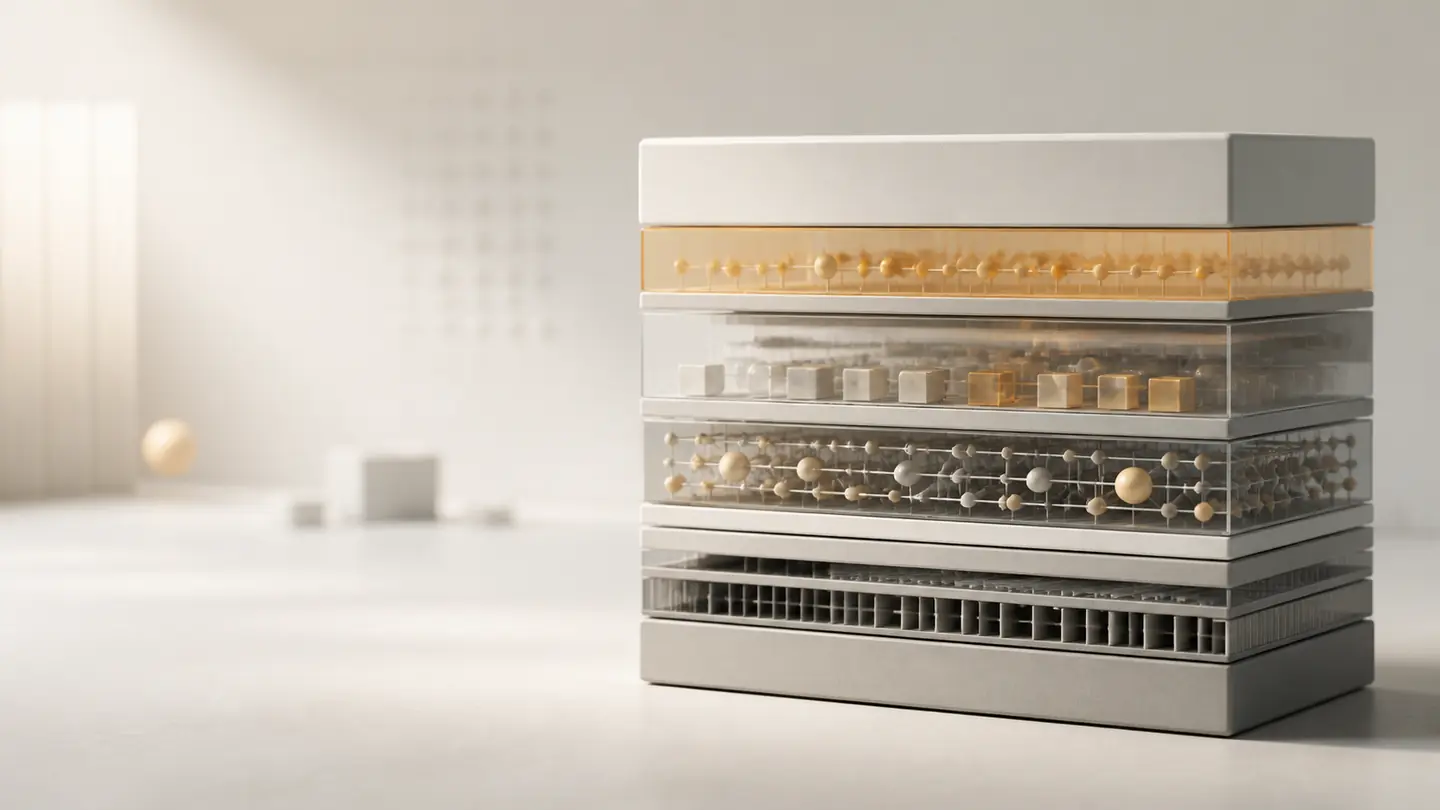
Layered memory retains approved style lessons per bot, per project, and across the whole workspace
Krea has opened a beta for Krea Bots, a set of nine named AI agents organized by creative discipline that join a team's chat and retain approved preferences across projects. Teams hand work to a bot by @mentioning it, and each specialist combines a reasoning model, a persistent brief, sandboxed compute, a visual review loop, and connected tools. Access runs through a waitlist, and Krea is offering accepted teams $1,000 in credits as Adobe and Runway push their own agent and memory features for professional creative work.
Nine Specialists, One Workspace: How Krea Divides the Creative Stack
The roster covers a full production pipeline. North acts as creative director, planning projects and briefing the other bots. Lumen handles images and product shots. Doodle produces storyboard sketches. Voxel works in 3D. Glide handles motion graphics. Snip covers video editing. Bloop manages sound design and mixing. Ping writes captions and schedules social posts. Serif checks brand compliance. Each bot keeps a single craft, asks questions when a brief is open, does its part, and passes the next step to the bot whose craft it is. The example bot on Krea's launch page connects to Slack, Meta Ads, Figma, and a browser alongside Krea's own editing, motion, sound, and 3D tools.
The design mirrors how human creative teams divide labor. A motion specialist and a brand reviewer do not need the same working knowledge, and Krea scopes what each bot learns accordingly instead of pooling every correction into one general-purpose agent.
The Three-Layer Memory Architecture
The most distinctive element of Krea Bots is not the number of specialists but the memory system underneath them. Three layers determine what a bot knows before it starts a task.
Craft memory stores approved lessons from feedback and applies to an individual specialist; the example in launch coverage is a lesson to keep breakfast captions short. Project memory holds pinned instructions and context, such as shooting at golden hour, and applies to every bot in the current project chat. Workspace memory carries house rules, including logo placement and brand conventions, and applies to all bots and all projects in the workspace.
The governance model is worth noting. A lesson proposed by a teammate waits for approval before it enters persistent memory, and a Lessons page lets the workspace keep, drop, or share anything a bot has learned. That gate could matter in agency settings where several people give feedback in the same chat, since it keeps a passing comment or a mistaken instruction from becoming a standing rule.
Under the bots sits the orchestration layer Krea introduced with Krea Agents in September. Planning is handled by large language models from providers including Anthropic, while generation runs on Krea's own models and third-party systems. Krea has described that platform as orchestrating more than 60 models, among them Flux, Veo 3.1, Kling, Runway, Luma, and Krea 2. How Bots decide which model receives a given task has not been documented in detail.
Krea's Own Foundation Models Sit Alongside Third-Party Options
The Bots beta arrives six months after Krea began shipping foundation models trained in-house.
Krea 2, launched in May 2026, was the company's first image model built from scratch: a single-stream diffusion transformer of about 12 billion parameters. Krea's technical report, published in June alongside open weights for K2 Raw and K2 Turbo, says the final model was trained with a standard rectified-flow loss, an objective shared by several recent diffusion transformers.
Krea 3 followed in open beta on October 15 and became the default image model in the Krea app the next day. The company's Krea 3 technical report describes it as an image-to-image model initialized from the Krea 2 pretrain and trained further for editing, with up to eight reference images per generation. Krea says it is the first editing model that can be fine-tuned with LoRAs on a specific product, person, or style, and the report describes LoRAs as the tool the team aims to use for identity and character consistency. API pricing is $0.03 per image at 1K and $0.06 per image at 2K, and Krea says 2K edits return in under eight seconds, a company figure that has not been independently tested. Krea has not publicly released Krea 3 weights.
Owning these models gives Krea first-party options for editing and style consistency while it continues to offer external models for tasks its own do not cover.
Persistent Creative Memory Becomes a Competitive Front
Adobe moved first among the large incumbents. On June 18, 2026, it put an upgraded Firefly studio into private beta with Elements and Projects, features that save reusable characters, objects, and locations and keep assets, generations, and creative context together across sessions. At Adobe MAX in Miami Beach on November 10, two days before the Krea Bots launch, Adobe previewed always-on agents that take on recurring tasks such as organizing incoming assets, checking quality, and preparing content for different channels. Adobe's structural advantage is deep integration with Photoshop, Premiere, and Illustrator. Neither Adobe announcement describes role-divided agents sharing a team chat with separately scoped memory, which is the structure Krea is betting on.
Runway competes on a different axis. Its Gen-4.5 video model ranked first on the Artificial Analysis text-to-video benchmark when it was released in December 2025, and Runway's models are among those Krea's own platform orchestrates.
The Krea Bots launch amounts to a bet that recall will matter more than marginal gains in output quality: that approved, accumulated aesthetic preferences are worth more to professional teams than another increment of generation fidelity once a quality threshold is met.
What Changes for Agencies, and What Remains Unverified
For teams managing brand work, the practical change is that house rules are written once at the workspace level and inherited by every project, instead of being restated in each generation request. Whether an agency can keep separate workspaces, and therefore separate aesthetic histories, for each client is not specified in the launch materials reviewed.
Krea's efficiency figure needs care. For the product-launch example on its landing page, Krea estimates 43 hours of bot work against seven minutes of human input, and the company has published no benchmarking methodology. The number is a vendor estimate for one illustrative scenario, not a measured result from beta users.
No general availability date or Bots-specific pricing has been disclosed, and it is unclear how Krea will meter model calls, compute, storage, and connected-tool actions. Permission boundaries for the Slack, Figma, and Meta Ads connections are an open question, which is a material concern for agencies with client data restrictions. Launch coverage also does not explain what happens when an accumulated craft lesson conflicts with a newer project brief, a practical issue for memory drift on long-running accounts.
An Agent Platform That Compounds With Each Release
Krea's agent rollout has been rapid and sequential: a Slack beta in August, the Krea Agents beta on September 3 and a wider release on September 10, Krea 3 as the default image model in October, and Krea Bots in November. Each step extended the last, from a single agent planning multi-model pipelines to named specialist roles with scoped, persistent memory.
The strategic implication is a lock-in dynamic more typical of enterprise software than of generative AI tools. Craft and workspace memory built through months of real project feedback would be costly to recreate elsewhere, and Krea has not said whether lessons can be exported. Whether that advantage proves durable depends on whether the memory layers hold up across all nine disciplines, something independent agency evaluations, not beta trials run on provided credits, will ultimately determine.


